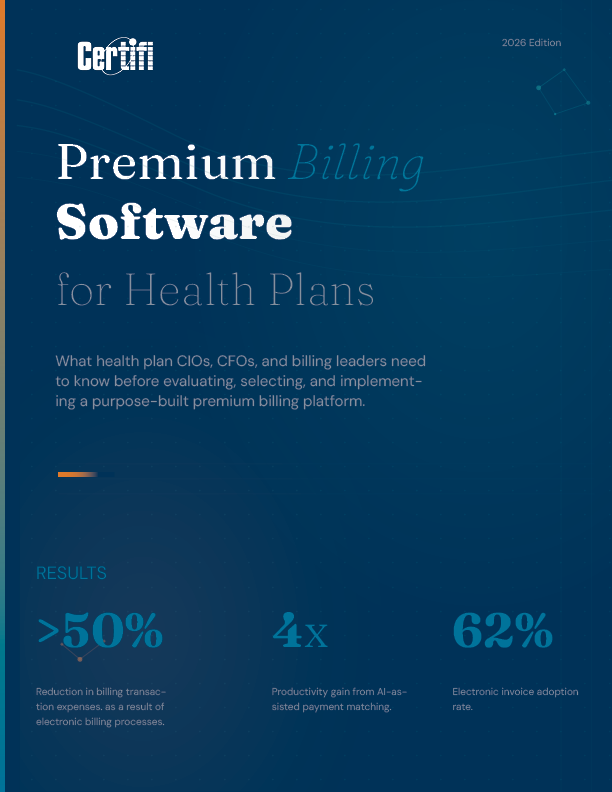
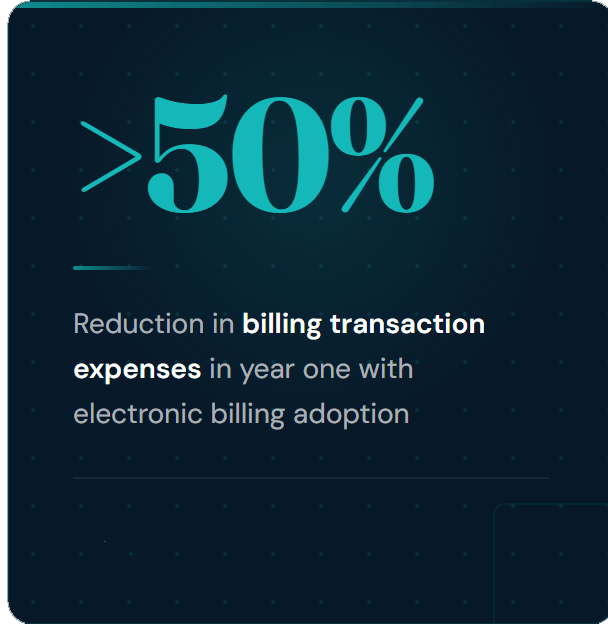
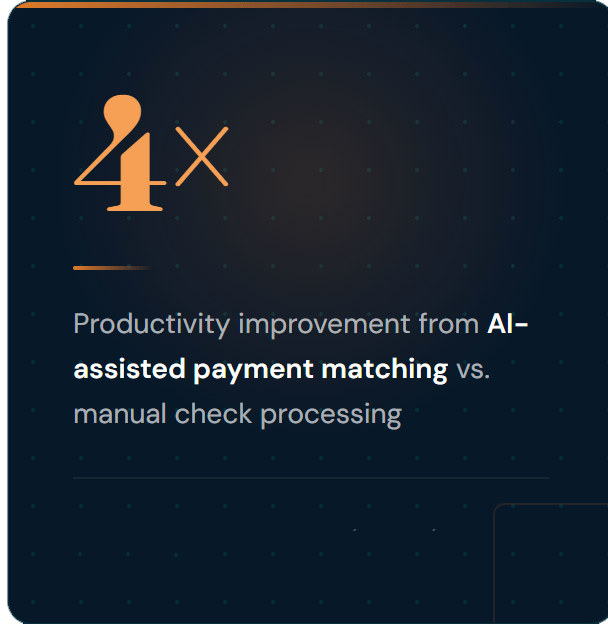
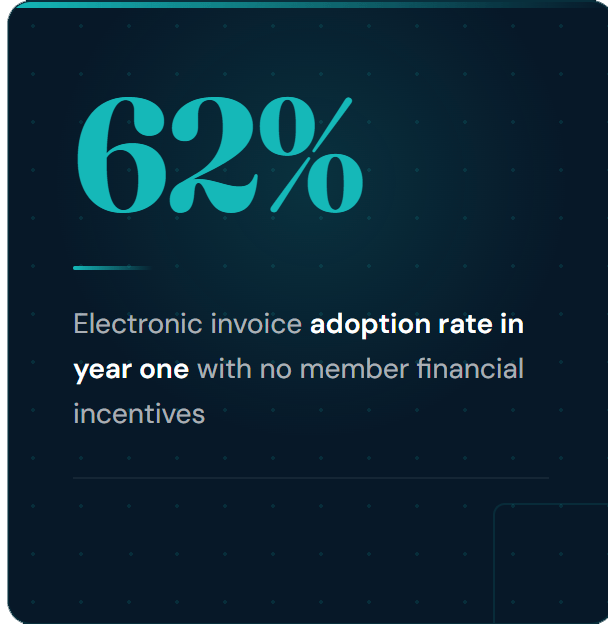
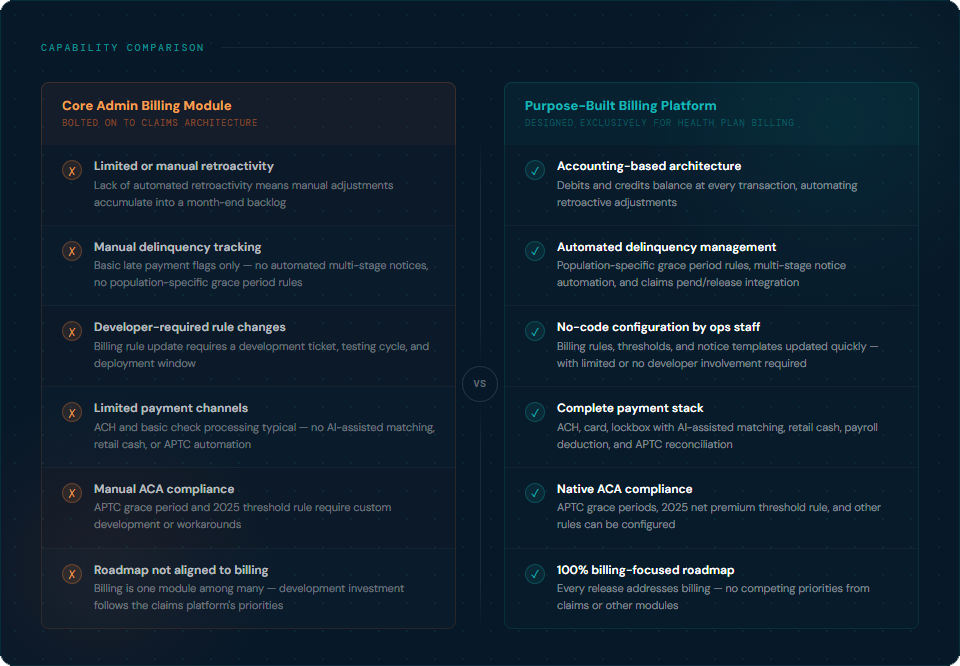
Many health plans currently use the billing module bundled with their core administration system — and most are paying for that decision in manual reconciliation backlogs, spreadsheet-driven delinquency processes, and billing rule changes that require a developer and a deployment window.
Core administration platforms are designed around claims adjudication. Billing is an add-on to that architecture, not a primary design objective, and the capability gap shows up exactly where it hurts most: billing accuracy, ACA compliance, payment channel coverage, and the ability to respond to regulatory changes on the timeline CMS requires.